Bridging Probability Techniques: Applying Blackjack Tracking Methods to Video Poker Play
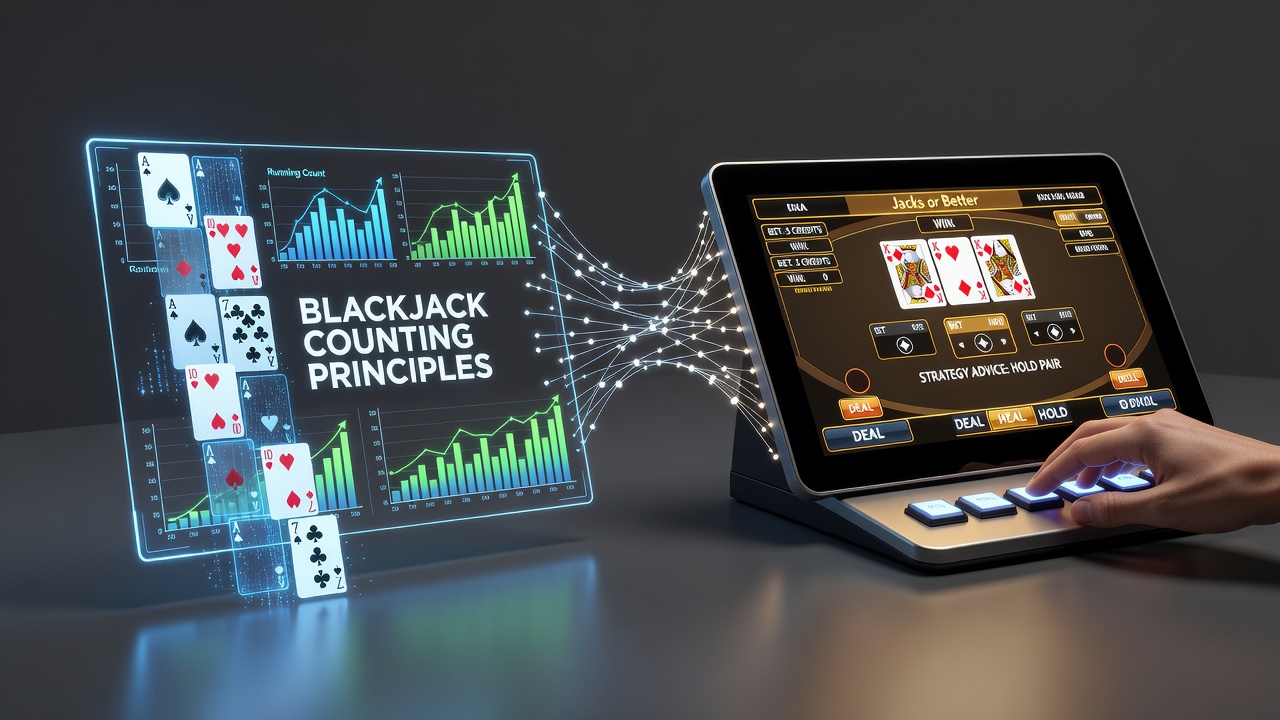
Card counting in blackjack relies on monitoring the composition of remaining cards in a multi-deck shoe to adjust betting and playing decisions based on shifting probabilities, and researchers have long documented how this approach alters expected returns when the count favors the player. Video poker variants operate under different rules where each hand draws from a fresh virtual deck in most machines, yet observers note that certain multi-hand formats and progressive jackpot structures create opportunities to adapt similar probability-tracking principles for better decision frameworks. Data from gaming mathematics studies indicate that players who integrate expected value calculations across hands can refine choices in games like Jacks or Better or Deuces Wild when pay tables reward specific holdings.
Foundational Elements of Blackjack Card Counting
Blackjack systems assign point values to cards with high cards receiving negative values and low cards positive ones, allowing continuous updates to a running count that signals when the deck composition tilts toward higher player advantage. Studies from university research programs show these methods work because blackjack hands share cards across multiple players and the dealer within a single shoe, creating dependencies that persist until the next shuffle. In contrast, most video poker machines reshuffle after every hand, removing the direct correlation that makes counting viable in live table games, although the underlying math of tracking remaining card distributions still informs optimal strategy charts published by gaming analysts.
Those who study gambling mathematics emphasize that the Hi-Lo system and its variants provide a template for estimating the likelihood of drawing certain ranks, and this framework transfers when video poker players evaluate whether to hold or discard in games featuring bonus rounds or multi-hand options. Evidence from industry reports compiled by North American gaming associations reveals that players using probability overlays achieve marginal improvements in return-to-player percentages when they apply adjusted thresholds for rare card combinations in variants such as Double Double Bonus Poker.
Key Differences in Video Poker Game Flow
Video poker draws five cards initially then allows discards and replacements, with outcomes determined solely by the final five-card combination against a fixed pay table rather than competition against a dealer hand. This structure means that direct card counting offers limited value in single-hand play because the deck resets completely each round, yet in games supporting simultaneous multiple hands the shared initial draw creates temporary dependencies across those hands that echo blackjack's shoe dynamics. Researchers at institutions focused on gaming probability have published analyses showing how players can track the distribution of high-value cards across those parallel hands to prioritize discards that preserve stronger potential combinations.
Regulatory data released by the Nevada Gaming Control Board through mid-2026 continues to track video poker participation rates alongside table games, highlighting steady interest in strategy-driven variants where informed decisions influence long-term outcomes. Observers note that while blackjack counting requires real-time mental arithmetic during live play, video poker adaptations often involve pre-session review of pay table specifics combined with in-game probability checks that mirror counting discipline without needing to monitor an entire shoe.
Practical Adaptations for Decision Enhancement
Players can extend blackjack-style tracking by assigning similar point values to ranks that appear frequently in winning video poker combinations, then updating a mental tally during multi-hand sessions to identify when certain discards become statistically preferable. One documented case involved analysts examining All American Poker machines where bonus pay tables reward four-of-a-kind hands, and they found that maintaining a simplified count of remaining aces and kings improved hold decisions in sequential hands drawn from the same virtual deck before reshuffle. Such methods require no additional equipment and align with existing optimal strategy guides that gaming mathematicians update periodically based on new pay table configurations.
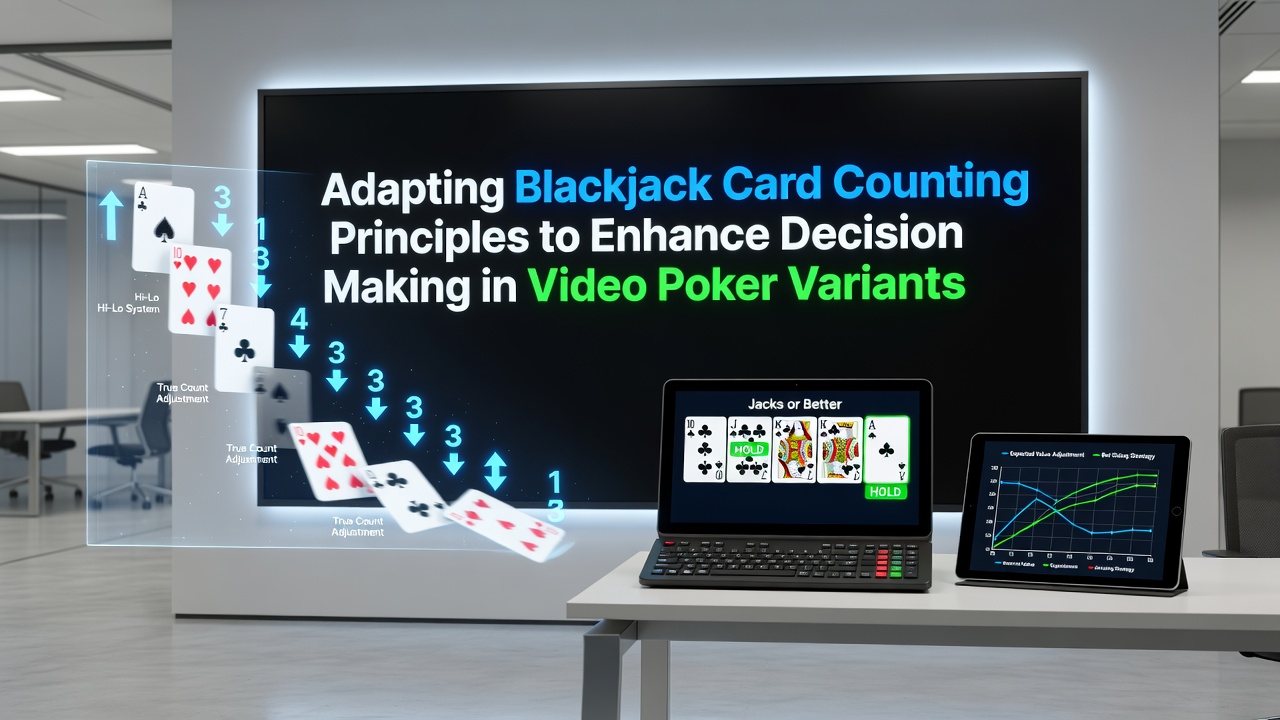
Academic papers examining electronic gaming mathematics demonstrate that the principles of conditional probability used in card counting translate directly when evaluating whether to pursue inside straights or pair holdings once initial cards are revealed. In June 2026, several North American casino properties reported continued deployment of video poker terminals with customizable pay tables, giving players more options to apply these adapted tracking techniques across different game speeds and denominations.
Limitations and Regulatory Context
Direct application of blackjack counting remains restricted in video poker because most machines employ continuous shuffle algorithms that eliminate persistent deck memory, and casino operators monitor for any behavior suggesting external assistance devices. Reports from the Australian Gambling Research Centre underscore that responsible gaming frameworks encourage players to rely on published strategy charts rather than improvised counting systems, since the house edge in video poker stems primarily from pay table structure rather than deck composition alone. Those examining cross-game strategy transfers emphasize that success depends on selecting variants where multiple hands share draws long enough for probability shifts to matter, such as certain tournament formats or linked progressive machines.
Industry organizations across Europe and Asia have compiled comparative studies showing that players who combine video poker optimal play with selective probability awareness achieve returns closer to the theoretical maximum listed on machine placards. These findings appear in research summaries from academic centers studying electronic table games rather than live dealer formats.
Conclusion
Adaptations of blackjack card counting principles to video poker center on transferring probability estimation skills to multi-hand and bonus structures where shared draws create temporary dependencies, even though full deck tracking loses relevance in single-hand play. Data from multiple regulatory and academic sources confirm that disciplined application of expected value calculations enhances decision consistency across Jacks or Better, Deuces Wild, and related variants without violating machine rules. Continued analysis by gaming mathematics groups ensures these methods evolve alongside new terminal configurations introduced in markets worldwide.