Decoding Loyalty Programs: How Reward Structures Influence Long-Term Casino Player Retention

Casino loyalty programs operate through structured point systems that track player activity across table games, slot machines, and other offerings, converting wagers into redeemable credits, complimentary services, or tiered status upgrades. These frameworks create measurable pathways where consistent participation unlocks escalating benefits, and operators collect detailed behavioral data that informs retention strategies. Research from the Australian Gambling Research Centre shows how such systems correlate with extended visit frequencies when reward thresholds align with typical spending patterns.
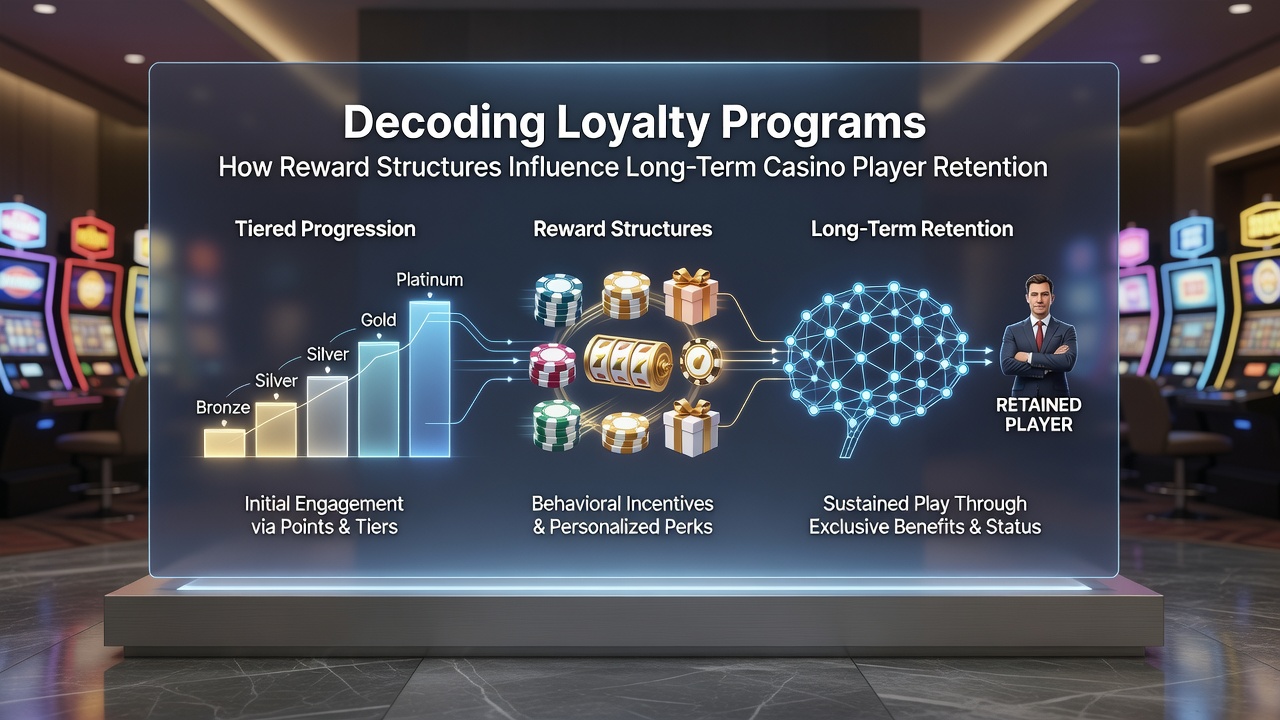
Operators segment players into multiple tiers that require specific point totals earned through tracked play, with higher levels granting faster point accumulation rates alongside exclusive access to events or dedicated hosts. Lower tiers often deliver basic free play credits or discounted meals, whereas top tiers include luxury hotel stays, private gaming areas, and personalized offers based on historical data. This graduated approach encourages players to maintain activity levels that sustain their current status, since dropping below thresholds removes those advantages until the next qualification period resets.
Mechanics Behind Point Accumulation and Redemption
Points typically accrue at rates tied to game type and wager size, with slot play often generating one point per dollar bet while table games use different multipliers depending on the title and average bet amount. Redemption options range from cash equivalents and bonus credits to non-gaming perks such as show tickets or retail vouchers, and many programs allow partial redemptions that keep players engaged without exhausting balances immediately. Data collected through these systems reveals seasonal fluctuations, with July 2026 figures from several North American properties indicating a 12 percent uptick in point redemptions during summer months when tourist volumes rise.
Tier Progression and Behavioral Triggers
Advancement between tiers depends on rolling qualification windows that reset annually or quarterly, forcing players to sustain play volume to retain benefits. Casinos frequently send targeted communications when players near the next threshold, prompting additional visits or deposits to secure upgrades before deadlines pass. One major operator in the United States implemented automated alerts in early 2026 that resulted in a documented 8 percent increase in cross-month activity among mid-tier members, according to internal analytics shared with industry analysts.
Redemption friction plays a notable role as well, since programs that impose high minimums or limited windows for using credits see faster drop-off rates than those offering flexible options. Players who accumulate points over several sessions but face barriers to easy redemption often reduce future visits, while seamless mobile app interfaces that display real-time balances and instant redemption choices support steadier engagement. Observers note that properties investing in unified digital wallets across multiple venues report higher lifetime value metrics because players treat accumulated rewards as ongoing incentives rather than one-time windfalls.
Retention Patterns Linked to Reward Design
Long-term retention improves when reward structures emphasize both immediate gratification and aspirational milestones, balancing small frequent payouts with larger milestone achievements that require sustained commitment. Programs heavy on short-term free play credits maintain visit frequency in the short run, yet those incorporating experiential rewards such as tournament entries or travel packages demonstrate stronger multi-year retention among higher-value segments. Figures from a 2025 industry report compiled by the Canadian Centre for Gaming Research indicate that players enrolled in hybrid programs combining both elements exhibited 22 percent longer average tenure compared with single-focus structures.
Personalization derived from tracked data further strengthens these outcomes, as offers calibrated to individual game preferences and visit timing reduce perceived irrelevance that leads to program disengagement. Casinos that segment communications by recency and frequency metrics achieve better open rates and redemption activity, particularly when timing coincides with player birthdays or historical high-activity periods. Yet overly aggressive targeting can produce the opposite effect if players interpret frequent messages as intrusive rather than helpful reminders.
Comparative Examples Across Markets
European casino groups have experimented with cross-property loyalty networks that pool points from multiple locations, allowing travelers to maintain momentum regardless of which venue they visit. This approach proved effective in markets where players frequent several sites within a region, and early results from 2026 implementations show reduced attrition during off-peak travel seasons. In contrast, standalone properties in regional American markets tend to rely more heavily on localized perks such as gas cards or nearby dining credits that tie rewards directly to community spending habits.
Academic analysis from researchers at the University of Nevada, Las Vegas examined player cohorts over five-year periods and found that tiered programs with visible progress bars and countdown timers to next-level qualification produced measurably higher retention than opaque systems lacking clear advancement indicators. The study highlighted how transparency in earning mechanics reduces frustration and supports continued participation even during periods of moderate losses.
Conclusion
Loyalty program design directly shapes the duration and consistency of player relationships by aligning reward accessibility with behavioral patterns observed across diverse casino environments. Effective structures combine transparent accumulation rules, flexible redemption pathways, and data-informed personalization that adapts to individual engagement rhythms. As operators refine these systems with insights from ongoing performance tracking, the connection between reward architecture and sustained retention continues to guide strategic decisions throughout the sector.