Mapping Regional Preferences in Game Selections Across Different Casino Venues
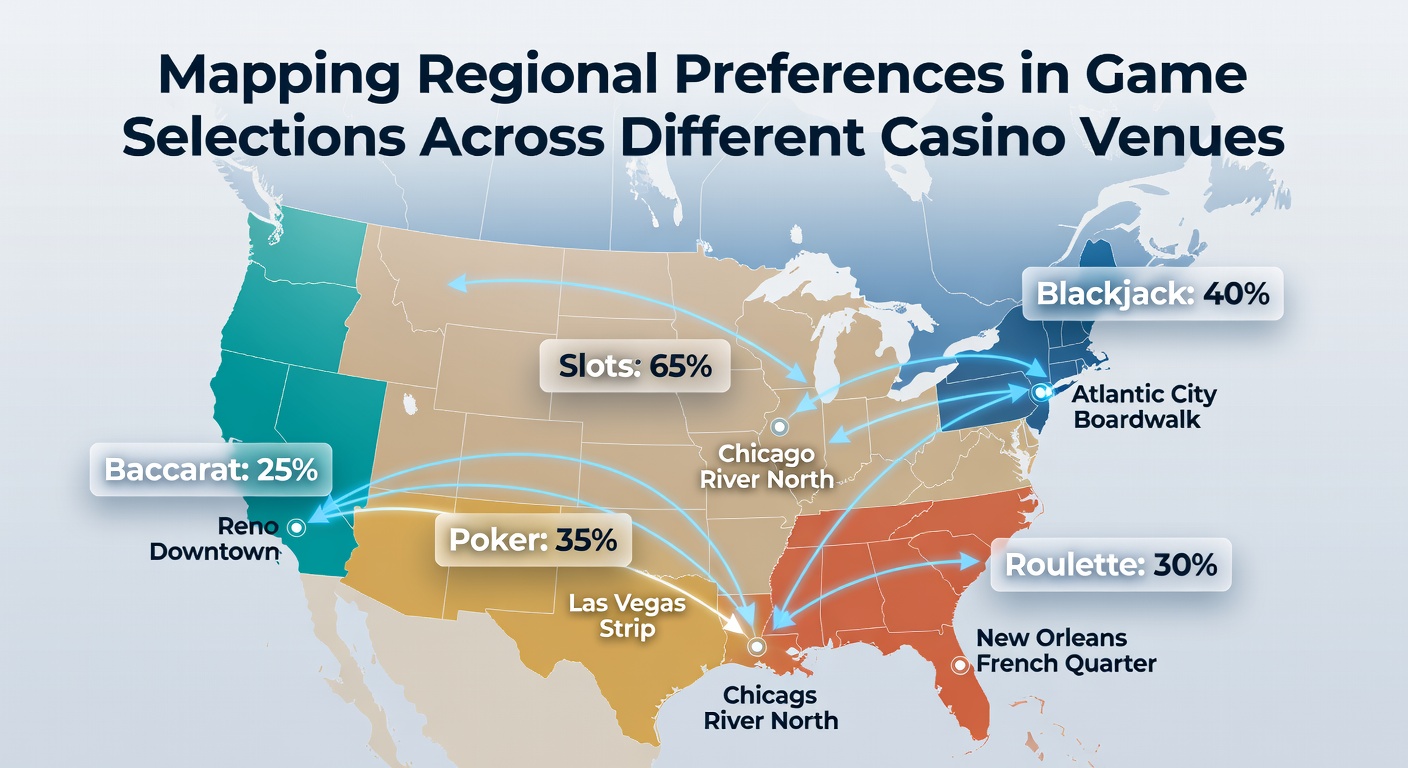
Regional differences in casino game selections have long reflected local cultures, regulatory environments, and player demographics, adn data compiled through 2026 continues to highlight these patterns across major markets. Observers note that venues in North America often emphasize electronic gaming machines while Asian properties lean toward high-stakes table games such as baccarat, and European locations maintain steady interest in roulette and blackjack variants.
North American Patterns in Game Choices
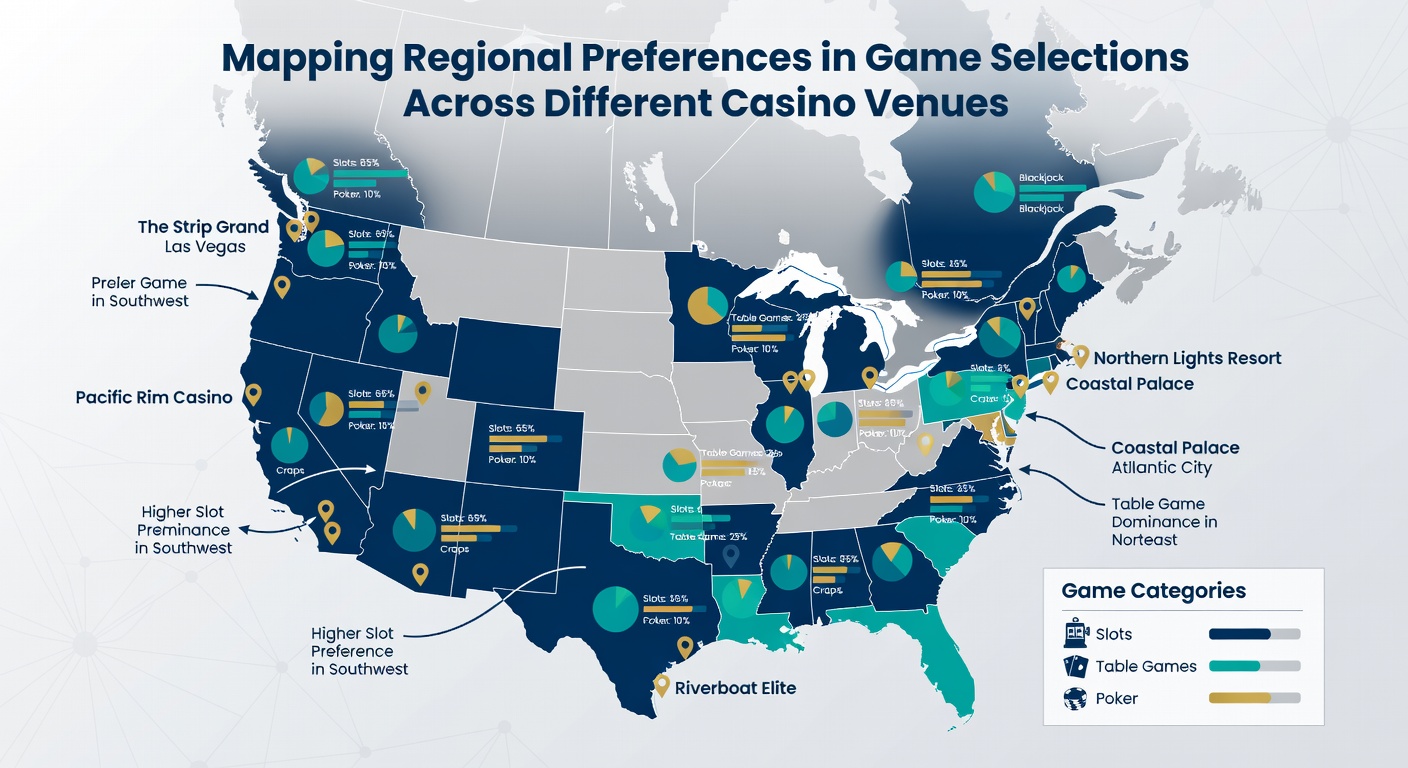
Venues across the United States and Canada show consistent preferences shaped by state and provincial regulations along with visitor origins. In Nevada properties slot machines account for the majority of floor space and revenue according to figures from the Nevada Gaming Control Board, yet poker rooms remain prominent in Las Vegas resorts where tourists seek competitive cash games. Canadian casinos in Ontario and British Columbia allocate more space to electronic roulette terminals and video lottery terminals, a trend reinforced by a 2026 industry report that tracked player traffic through the first quarter of the year.
Those who study these markets point out that Atlantic City properties retain higher proportions of table games compared with inland tribal casinos, and this distribution aligns with historical visitor bases that favor blackjack and craps. Data collected through May 2026 indicates electronic table games have gained ground in Midwestern venues where space constraints limit live dealer options.
Asian Market Focus on Table Games
Macau and Singapore casinos continue to prioritize baccarat tables, with floor plans designed around mass-market and VIP sections that accommodate large groups. Researchers tracking Asian gambling volumes report that baccarat generates over 80 percent of table game revenue in Macau properties, while slot machines occupy smaller percentages of gaming area than in Western venues. This allocation supports high-volume play and reflects cultural preferences for social table experiences rather than solitary machine sessions.
Integrated resorts in Singapore have introduced more hybrid gaming zones since 2025, yet core preferences remain centered on live dealer tables. Observers tracking these shifts note that regulatory caps on machine numbers further reinforce table game dominance in the region.
European Venue Distributions
Continental Europe and Australia present another set of preferences where roulette and blackjack hold steady appeal. German and French casinos maintain traditional table layouts with limited machine banks, a structure supported by long-standing regulations that favor skill-based or social games. Australian venues, particularly those in New South Wales and Victoria, balance extensive poker machine offerings with growing live dealer sections, and figures released by the Australian Gambling Research Centre in early 2026 documented a modest increase in table game participation among younger demographics.
Venues in these markets often adapt floor plans seasonally, adding electronic terminals during peak tourist periods while preserving core table offerings for regular patrons. Those who analyze foot traffic patterns observe that European players spend longer sessions at single tables compared with machine-focused play recorded elsewhere.
Data Sources and Recent Trends Through 2026
Reports from organizations such as the American Gaming Association and the Asia Pacific Association of Casino Operators provide the backbone for these regional comparisons, revealing how regulatory changes influence game availability. A study released in May 2026 by Canadian researchers at the University of Waterloo examined cross-border player movement and found that preferences shift when visitors encounter different machine-to-table ratios. This evidence aligns with earlier findings from European trade groups that documented similar adaptations in response to tourism flows.
Venues continue to refine selections based on these insights, incorporating player tracking systems that map session lengths and wager types by region of origin. The resulting datasets help operators adjust layouts without relying on anecdotal feedback alone.
Conclusion
Regional preferences in casino game selections remain tied to local regulations, cultural norms, and visitor demographics, and ongoing data collection through 2026 underscores these distinctions across global markets. Venues that align offerings with documented patterns sustain steady engagement while those that overlook them face slower adaptation. Comprehensive mapping efforts provide operators and analysts with clearer pictures of how geography continues to shape player choices.