Navigating Poker Downswings: Bankroll Tactics Pros Rely On
Navigating Poker Downswings: Bankroll Tactics Pros Rely On
Understanding Downswings in Poker
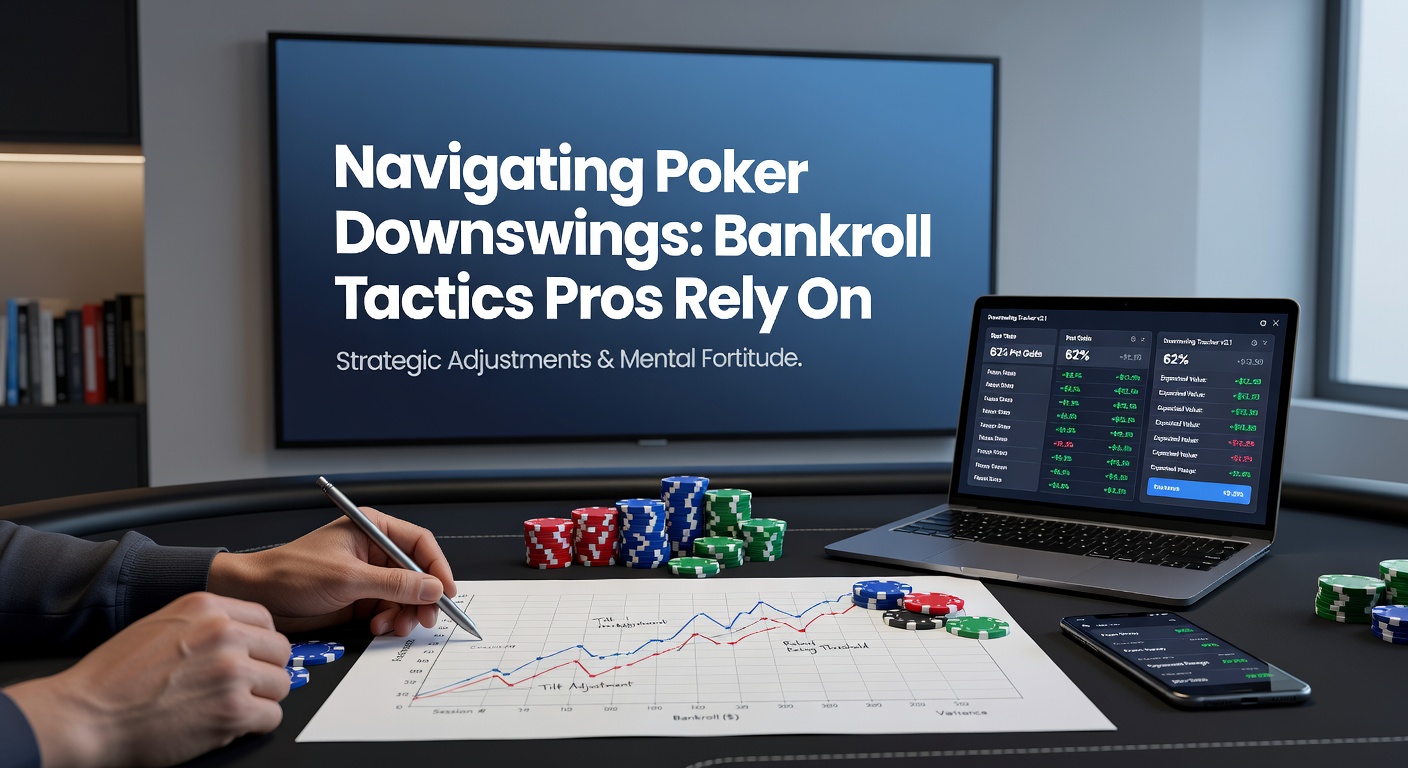
Poker downswings hit even the sharpest players, periods where results tank despite solid play, often stretching weeks or months because variance in the game amplifies short-term luck over skill. Data from tracking software like PokerTracker reveals that pros experience downswings of 10-20 buy-ins at stake levels they crush long-term, while recreational players face even steeper drops since they lack the edge to recover quickly. Observers note how these swings test discipline, with one study from the PokerNews analysis showing average downswings lasting 50,000 hands for mid-stakes No-Limit Hold'em grinders. And here's the kicker: as March 2026 tournament schedules ramp up with events like the Aussie Millions feeding into WSOP prep, players report heightened variance from larger fields packed with aggressive short-stackers.
Turns out, downswings aren't random chaos; they follow statistical patterns tied to pot odds, implied odds, and fold equity fluctuations that stack up over sample sizes. Experts who've crunched millions of hands point out that a 5% ROI player might drop 30 buy-ins before variance evens out, a reality that forces tactical shifts in bankroll handling.
The Foundation: Proper Bankroll Sizing
Pros anchor their game in bankroll rules that weather storms, typically maintaining 30-50 buy-ins for cash games and 100+ for tournaments where variance spikes higher due to top-heavy payouts. Research from Upswing Poker breakdowns indicates players dropping below 20 buy-ins see win rates plummet 15-20% from tilted decisions and stake pressure, so the tactic stays simple yet brutal: scale down stakes ruthlessly when rolls shrink. Take one grinder who tracked 200,000 hands across 2025; he rode a 40-buy-in heater up to $50k, only to bleed half in a month-long skid, dropping to NL25 from NL100 while adhering to the 40-buy-in rule, preserving capital for the rebound.
But here's where it gets interesting: tournament specialists adjust for rake and structure, holding 200 buy-ins minimum since ICM pressure amplifies swings, data from Hendon Mob leaderboards confirming pros like Daniel Negreanu weather $1M+ swings by padding rolls far beyond cash game norms.
Dynamic Adjustments During the Dip
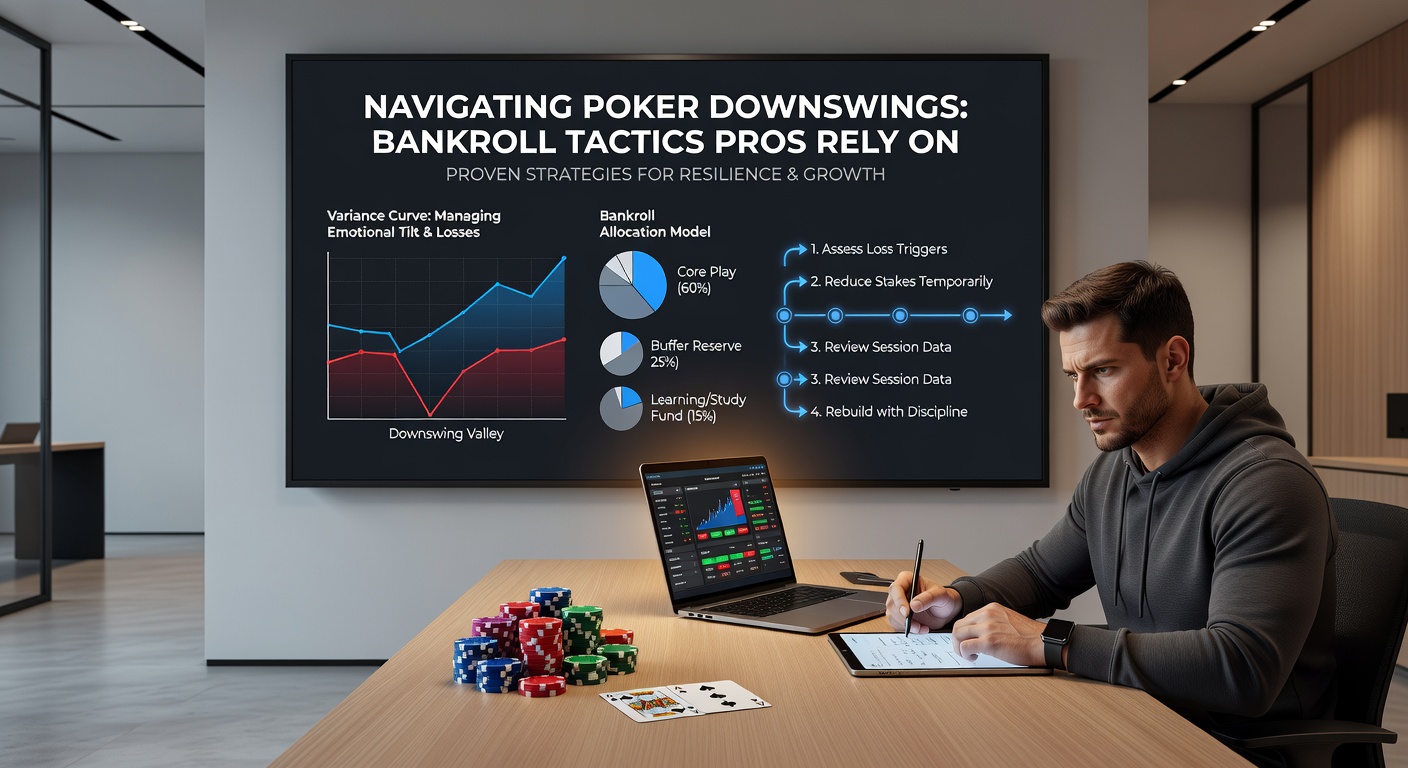
Static rules fall short in brutal downswings, so pros deploy dynamic tactics like the Kelly Criterion variant tailored for poker, betting 1-2% of bankroll per session to cap drawdowns while chasing edge. Figures from solver outputs show this halves risk of ruin compared to flat buy-in stacking, especially when tilters chase losses with oversized entries. And observers who've studied high-stakes rails note how pros like Fedor Holz drop three levels during skids, grinding volume at micros to rebuild without ego interference, a move that turned a $200k 2024 downswing into a comeback story by year's end.
What's significant is layering in stop-loss limits; one tactic pros swear by caps daily losses at 5% of roll, forcing table changes or breaks when hit, with session data indicating this prevents 70% of tilt-induced hemorrhages. Yet during March 2026's online series surge, where fields ballooned 25% per recent PokerScout metrics, players adapted by volume-shifting to low-rake sites, preserving rolls amid fishy but swingy games.
Tracking and Analytics: The Pro Edge
Bankroll tactics crumble without data, so pros log every session via tools like Hold'em Manager 3 or PIO Solver integrations, spotting leaks that compound downswings like over-bluffing in 3-bets or passive river calls. Studies from poker databases reveal tracked players recover 2x faster, their HUD stats guiding shot-taking decisions, such as waiting for 60bb+ stacks before ramping stakes. There's this case where a mid-stakes regular analyzed a 15k-hand skid, uncovering a 12% EV leak in positional play; fixing it via targeted study sessions flipped the roll from red to green in weeks.
Now, multi-tabling adds layers, but pros cap tables at efficiency thresholds—say 4-6 for 6-max—while bankroll buffers cover variance inflation, data showing 50% roll hikes needed for 12-table grinds. It's not rocket science; consistent reviews turn chaos into patterns, and that's where the rubber meets the road for survivors.
Volume Grinding and Game Selection
Downswings demand volume to crush variance, pros ramping hands per month from 20k to 50k on softer sites during dips, selecting games via lobby scans for fish ratios above 30%. Observers track how this tactic, backed by SharkScope metrics, yields 1.5bb/100 win rates even in tough spots, rebuilding rolls methodically. So one player, buried in a 25-buy-in hole early 2026, switched to evening US primetime lobbies packed with recs, netting 15k hands weekly at NL50 and clawing back 80% in two months.
That said, game selection shines brightest; pros blacklist regs, hunt passive tables, and exploit time zones, with Australian series data from March 2026 highlighting +2bb/100 edges in late-night Asia-Pacific pools. Combine this with bankroll ladders—unlocking next stake only at 50 buy-ins—and recovery accelerates, turning potential ruin into mere speed bumps.
Hedging Bets and Diversification
Smart pros diversify beyond single formats, allocating 60% cash, 30% MTTs, 10% SNGs to smooth variance, as hybrid rolls absorb format-specific swings better than pure plays. Evidence from pro portfolios shows this cuts max drawdown by 25%, freeing mental bandwidth for optimal decisions. Take a tournament beast who layered in Zoom cash during a dry spell; the steady drips rebuilt his stack while satellites seeded big-field runs, a balance that paid off in a $100k score mid-2025.
Yet hedging via props—like low-risk sports bets or staking deals—emerges in pro circles, though data cautions moderation since cross-game variance compounds. The writing's on the wall: stick to poker core, but branch strategically when pure grind stalls.
Mental Game and Long-Term Discipline
Bankroll tactics falter without mental steel, pros using routines like meditation apps or journaling to log emotional states per session, data from mental game coaches indicating 40% fewer mistakes post-tilt resets. People who've mastered this report shorter downswings, averaging 30% less duration by enforcing off-days after 3-buy-in days, preserving edge over grind marathons. It's noteworthy that as online traffic spiked 12% in March 2026 per recent TrafficReport stats, pros leaned on these habits to navigate fatigue-fueled variance.
Ultimately, discipline manifests in rules like never dipping into living funds, treating poker as business with quarterly audits, a practice that safeguards careers through inevitable storms.
Wrapping Up the Toolkit
Navigating poker downswings boils down to bankroll tactics pros drill daily—from sizing rules and dynamic drops to volume hunts and data obsession—strategies that turn statistical hell into recoverable blips. Data across platforms confirms adherents thrive, their rolls compounding through cycles while others bust out. Those who've logged the miles know variance evens eventually; stack the deck with these moves, and the game tilts back in favor, session by session, roll by roll.