Racing Through the Tempest: Weather Shifts and Their Influence on Racetrack Betting Dynamics
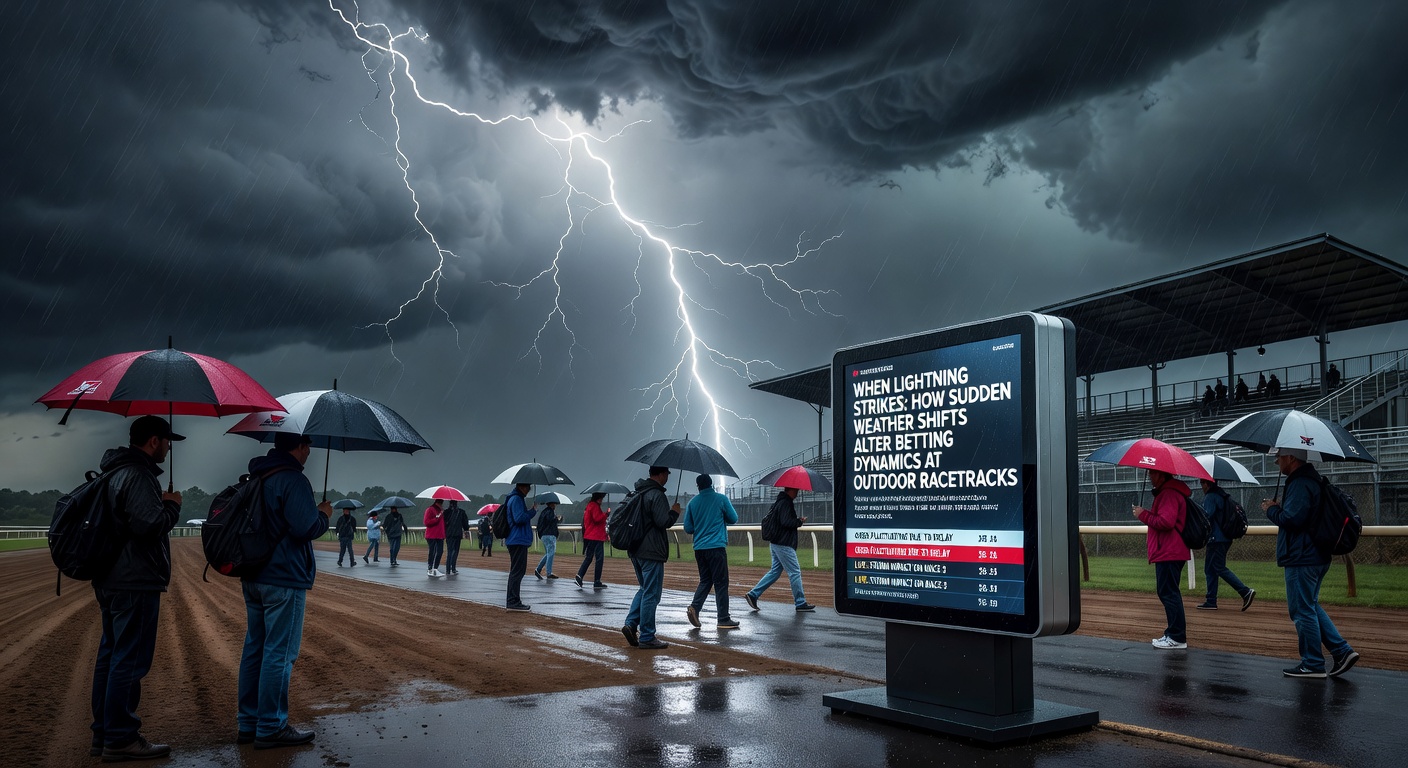
Outdoor racetracks face constant exposure to elements that can shift without warning, and sudden weather events like lightning strikes or heavy downpours create immediate adjustments in track surfaces along with betting patterns. Data from multiple racing seasons shows that these changes influence horse performance, jockey decisions, and live odds in measurable ways, while bettors who track real-time conditions often see different payout structures emerge mid-card.
Track Surface Transformations Under Rapid Weather Changes
Rainfall alters dirt and turf compositions within minutes, turning firm ground into sloppy or heavy states that favor certain runners over others. Observers note that horses with proven wet-track records post improved times on softened surfaces, whereas speed-oriented animals lose ground as footing gives way, and this leads to revised morning line odds once stewards confirm the shift. Lightning events compound the issue by triggering mandatory pauses that allow additional precipitation to accumulate, further modifying the racing strip before the next scheduled race.
Studies compiled by international racing bodies indicate that surface moisture levels above a specific threshold reduce average winning margins by up to 15 percent in sprints, while longer routes show even greater variance because stamina becomes the deciding factor. Those who monitor radar feeds and track maintenance reports gain early insight into which entrants stand to benefit, and bookmakers respond by widening spreads on affected races to account for the added uncertainty.
Live Betting Adjustments During Weather Interruptions
Delays caused by electrical activity force oddsmakers to recalibrate markets in real time, and bettors witness rapid line movements as fresh information about track conditions filters through official channels. When races resume after a storm cell passes, updated track variants appear in official results feeds, prompting sharp bettors to reassess wagers they placed earlier in the day. Australian meteorological services have documented instances where lightning within a 10-mile radius of venues such as Flemington led to 45-minute holds, during which surface readings changed enough to flip the favorite in subsequent betting pools.

Electronic wagering platforms reflect these updates almost instantly, and volume spikes occur in the minutes following resumption announcements because participants seek to capitalize on the revised probabilities. Research from North American track data providers reveals that exotic wagers such as exactas and trifectas experience the largest swings, since combinations involving mud specialists suddenly carry higher implied value once the going deteriorates.
Regional Patterns Observed in May 2026 Events
May 2026 brought an above-average number of convective storms across several major racing circuits in the northern hemisphere, and facilities in both the United States and Canada reported multiple lightning-related postponements during afternoon programs. Records from the National Oceanic and Atmospheric Administration show that venues in the Midwest and Mid-Atlantic regions experienced an average of three weather holds per weekend card, each lasting between 20 and 90 minutes. These interruptions allowed track crews to re-grade surfaces repeatedly, which in turn created a patchwork of conditions that rewarded trainers who had prepared multiple surface-specific entries.
Bettors who follow historical weather correlations with past performances at the same tracks found repeatable edges, particularly in maiden races where lightly raced horses had yet to establish wet-track form. European data services tracking similar patterns at continental venues noted parallel effects, although turf courses there responded differently because drainage systems limited the extent of softening compared with traditional dirt ovals.
Strategic Responses from Bettors and Operators
Professional handicappers incorporate precipitation forecasts and lightning probability models into their pre-race analysis, and many now subscribe to specialized weather alert services that deliver minute-by-minute updates directly to mobile devices. This approach allows rapid portfolio rebalancing once an approaching cell forces a delay, while casual participants who overlook the same signals often find their earlier selections compromised by altered track variants.
Operators adjust maximum wager limits and suspend certain proposition bets during active storms to manage exposure, then reopen markets with tighter spreads once conditions stabilize. Industry reports compiled by racing analytics firms demonstrate that overall handle remains steady across delayed programs because postponed races simply shift to later in the card, yet the distribution of winning tickets changes noticeably toward those who adjusted selections after teh weather event.
Conclusion
Sudden weather shifts at outdoor racetracks generate measurable impacts on surface conditions, horse performance profiles, and live betting markets, and participants who integrate meteorological data with traditional handicapping achieve more consistent outcomes across varying track states. Records from 2026 events underscore how lightning delays and rainfall accumulations continue to reshape wagering dynamics in real time, while operators and bettors alike adapt protocols to maintain accuracy amid these environmental variables.